Bringing Characters to Life: Motion Capture in Game Dev
When you watch a character in a modern video game move with uncanny realism—the subtle shift of weight before a jump, the nuanced flicker of an eyebrow during dialogue—you are witnessing the power of gaming development motion capture technology. This isn't just a fancy tool for big-budget studios anymore. Understanding how it works is becoming essential knowledge for designers, animators, and creative entrepreneurs looking to push the boundaries of digital storytelling. It bridges the gap between the physical actor and the digital avatar, transforming raw human movement into data that drives character design and immersion.
The Mechanics of the Magic
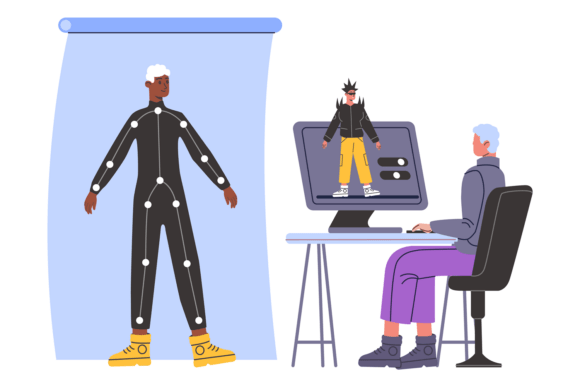
At its core, motion capture (mocap) is the process of recording movement. In a traditional setup, an actor wears a suit dotted with reflective markers while performing within a space surrounded by infrared cameras. These cameras track the markers in 3D space, recording the actor's skeleton movements frame by frame. This data is then mapped onto a digital rig inside software like Unreal Engine or Unity. However, the technology has evolved. Modern gaming development motion capture technology now includes markerless systems using computer vision, AI-driven animation tools that can generate movement from video reference, and even facial capture helmets that record the tiniest muscle movements for hyper-realistic expressions.
For a creative professional, this means the barrier to entry is shifting. You no longer need a Hollywood soundstage to achieve fluid animation. With accessible software and hardware, a small team can capture a walk cycle or a combat sequence in a garage, clean up the data, and apply it to a stylized vector cartoon flat style character. The "personality" of the motion depends entirely on the actor's performance, making the technology a vessel for human creativity rather than a replacement for it.
From Capture to Character Design
One of the most critical phases where gaming development motion capture technology intersects with visual design is during the retargeting process. A real human body is different from a cartoon character or a stylized hero. If you are creating a character with exaggerated proportions—say, a hero with massive shoulders and tiny legs—the raw mocap data will look awkward if applied directly. This is where the designer's eye is crucial. You have to adjust the motion curves to fit the character design personality. A heavy brute might need slower, more grounded keyframes, while a nimble thief requires snappy, exaggerated timing.
This is also where brand identity comes into play. The way a character moves defines how the audience perceives them, much like a typeface defines the voice of a logo. A premium font conveys elegance and stability; similarly, a specific style of captured motion conveys weight and presence. Whether you are working on a serif font inspired historical epic or a vibrant, sans serif font aesthetic platformer, the animation must support the visual style. Just as you wouldn't use a script font for a technical manual, you wouldn't use a clumsy, heavy mocap style for a graceful, ethereal character.
Practical Applications for Creators and Businesses
You might wonder how this applies to a graphic designer, marketer, or small business owner. The answer lies in the expanding definition of content. Video is king, and interactive media is the queen. Understanding gaming development motion capture technology allows you to diversify your services. Imagine offering a client a custom animated mascot for their website that moves realistically, or creating social media graphics that feature a 3D character reacting to trends. This technology elevates a static logo design into an animated brand identity.
For those in editorial design or packaging design, the influence is indirect but powerful. The visual language of gaming—high-fidelity renders, dynamic poses, and immersive worlds—often bleeds into commercial art. Knowing how these assets are created helps you source better design assets or communicate effectively with 3D artists. Furthermore, the workflow mirrors other creative processes. Just as you would test font pairings to ensure harmony between a heading and body text, animators test mocap data against environment lighting and camera angles to ensure the character "fits" the scene.
Evaluating the Tech for Your Projects
If you are considering integrating this into your workflow, treat it like choosing a commercial font. You need to evaluate the "license" and the "styles" included. Does the software allow for commercial use of the generated data? Is the output format compatible with your rendering engine? Just as you would check if a creative font includes bold, italic, and condensed weights, you need to check if your mocap solution handles facial capture, hand gestures, and object interaction.
Readability is another parallel. In typography, readability is about how easily words are processed. In animation, "readability" is about clarity of action. A complex combat move captured via mocap might be "noisy" with too much jitter. You may need to filter the data or "clean" it to ensure the action is readable to the player. This is the animation equivalent of adjusting kerning and tracking in modern typography.
Start small. You don't need a full suit to experiment. Use video reference tools or free animation libraries to understand the principles. Look at how different typeface styles dictate the mood of a web design project, and apply that same logic to movement. Does the motion feel "serif" (traditional, structured, reliable) or "sans serif" (clean, modern, efficient)? By aligning your animation style with your visual typography choices, you create a cohesive, professional experience that resonates deeply with your audience. Whether you are a game developer, a content creator, or a brand strategist, mastering the flow of movement is the next frontier in digital communication.